
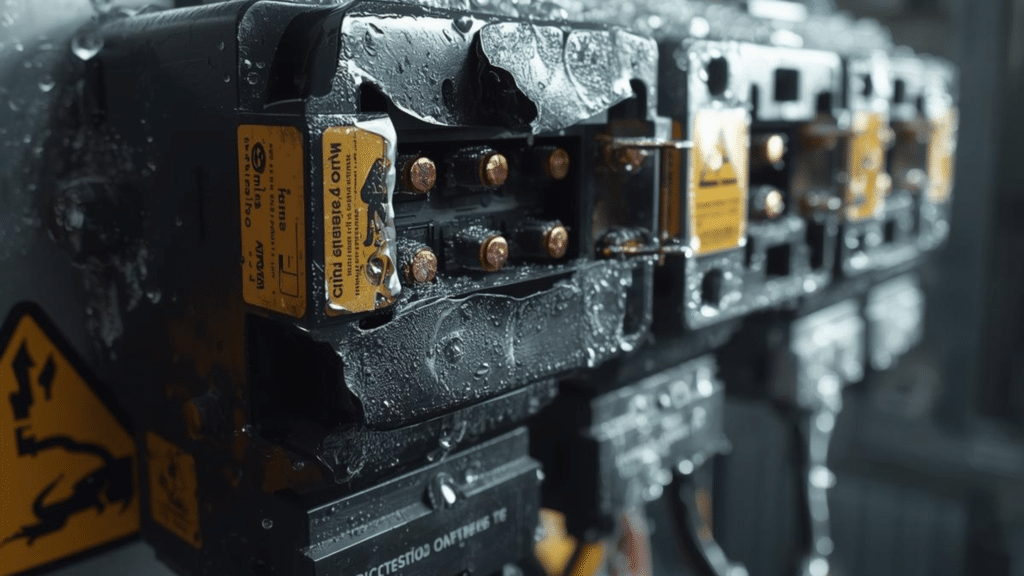
Operating a sub-zero warehouse or refrigerated distribution centre presents a constant battle against the laws of physics. While the focus is often on maintaining the thermal envelope, the electrical infrastructure within these zones is frequently at risk from internal moisture. When warm, humid air from a loading bay meets the freezing temperatures of a storage area, the result is localised condensation, which can lead to tracking, arcing, and potential equipment failure.
At Process Control Services UK Ltd (PCS), we have seen how standard electrical designs that perform well in ambient environments can fail quickly inside cold storage facilities. Preventing these failures requires a shift from reactive repairs to a proactive engineering strategy focused on airtightness and proper thermal management.
Below is a practical technical approach to protecting electrical systems from moisture-related downtime in cold storage environments.
1. Seal Every Penetration Point
The most effective way to stop condensation is to prevent air exchange between ambient and cold zones. Every cable that passes through a cold store wall represents a potential entry point for moisture.
Install Gastight Transit Systems
Standard PVC glands or silicone sealants often fail as they contract in low temperatures. We recommend using mechanical gastight transit systems that maintain a permanent airtight seal even during extreme temperature fluctuations.
In many cold storage installations, conduits are generally avoided inside the cold room itself. Instead, cable entries are typically made through sealed penetration points, with unused entries blanked off and left available for future use.
2. Conduct Specialised Insulation Resistance Testing
Standard maintenance procedures can miss early signs of moisture-related electrical degradation. Including targeted electrical safety tests is essential to ensure long-term reliability.
Monitor for Tracking Patterns
Use high-voltage insulation resistance (IR) testing to identify leakage paths across terminal blocks and connection points. Moisture can create carbon tracking, which may eventually result in a short circuit.
Check Cold-Brittle Cables
PVC cable jackets can become brittle at sub-zero temperatures. During electrical inspections, cables should be checked for micro-cracks that may allow moisture ingress through capillary action. If deterioration is detected, the cables should be replaced with low-temperature-rated alternatives such as OLFLEX Chain 896 or another cable specifically designed for cold-environment applications.
3. Establish a Condition-Based Asset Register
The final step in preventing electrical faults in cold storage environments is accurate documentation and asset monitoring.
Log Ingress Trends
By tracking which electrical panels or areas experience recurring moisture issues, engineering teams can identify potential design challenges, such as installations located near high-traffic access points or frequently opened doors.
Engineering for Audit Readiness
Maintaining records of inspections, testing and preventative measures helps demonstrate that the facility is proactively managing electrical risks rather than reacting to failures.
Conclusion: Engineering for a Dry Environment
Preventing electrical failures in a cold storage facility requires careful control of both environmental conditions and electrical infrastructure. By sealing penetration points, conducting specialised testing, and maintaining proper asset records, organisations can significantly reduce the risk of condensation-driven faults.
If you are experiencing recurring trips or moisture-related issues in your cold storage facility, contact Process Control Services UK Ltd (PCS) to discuss a targeted moisture audit or a bespoke electrical health check.
Call us today on 01298 79969 or drop us an email at sales@pcsukltd.co.uk.